Christmas Tree7: A Designer's Take on Holiday Stitching
When I first pulled up the Christmas Tree7 file on my screen, I wasn't looking for flashiness. As someone who spends hours hooped over machines and dealing with client expectations, I look for reliability. Does this design hold up under tension? Will it look crisp on a textured sweatshirt, or will it turn into a puckered mess? This specific piece from the Illustrations category caught my eye because it strikes a balance between whimsical charm and structural integrity, which is often hard to find in seasonal motifs.
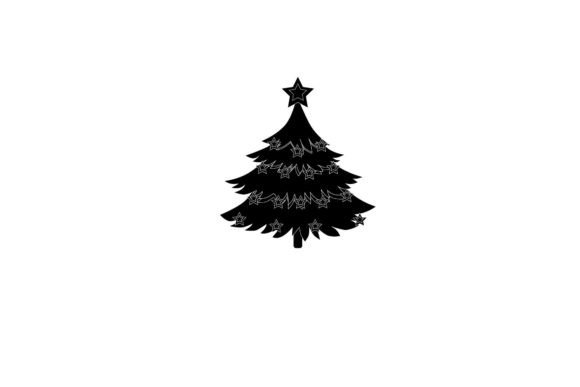
The initial impression of Christmas Tree7 is one of cozy nostalgia. It doesn't scream "generic clip art." Instead, it has a hand-drawn personality that translates surprisingly well into thread. The layout feels intentional, with a silhouette that suggests volume without relying on excessive density. For embroidery designers and small business owners, this is crucial. We know that too much fill stitch can make a garment stiff and uncomfortable, while too little can look cheap. This design seems to hit that sweet spot where the visual weight feels substantial but the physical footprint remains light enough for wearable items.
Putting Christmas Tree7 to the Test in Real Projects
To truly evaluate a machine embroidery design, you have to imagine it in the wild. I immediately pictured Christmas Tree7 on a heavy-weight cotton tote bag. The clean lines would pop against the natural canvas texture, creating a boutique feel perfect for holiday markets. Imagine a local coffee shop ordering these as limited-edition gifts; the design's approachable style fits that aesthetic perfectly. It's not just a tree; it's a branding element that says "handmade" and "thoughtful."
Another strong contender for this file is sweatshirt embroidery. Fleece and French terry can be tricky due to their pile and stretch, but the shape of Christmas Tree7 appears robust enough to handle the fabric's movement. If you are an Etsy seller looking to expand your winter collection, placing this on the left chest of a crewneck or centered on a pillow cover could drive significant engagement. The design works well as a standalone statement or as part of a larger scene, perhaps paired with simple text for a personalized touch.
For those focusing on baby embroidery, the softness of the lines is a major plus. Parents want items that are cute but not scratchy. If the stitch count is managed correctly with the right stabilizer, this could adorn a onesie or a holiday blanket beautifully. It avoids the tiny, intricate details that often break or fray after a few washes, making it a practical choice for items that need durability.
Navigating Fabric Textures and Hoop Limitations
However, no design is universal, and Christmas Tree7 requires some strategic thinking depending on your substrate. While it shines on medium-to-heavy fabrics, caution is needed when working with thin or highly stretchy materials. If you attempt this on a lightweight rayon blouse, you must use a high-quality cut-away stabilizer to prevent distortion. The integrity of the tree's shape depends on the fabric holding its ground during the stitching process.
Curved surfaces present another challenge. If you are planning to put this on a cap, consider the hoop size and the curvature of the front panel. Detailed corners in any illustration can sometimes get lost or compressed on a structured hat. I recommend running a test stitch-out on a scrap piece of similar material before committing to a client's expensive hat. This is especially true if the design utilizes fine running stitch outlines that might sink into thick twill.
Color contrast is also vital. On dark fabrics, ensure your thread colors have enough saturation to stand out. A muted green on a navy background might look muddy in person, even if it looks distinct on your monitor. Conversely, on white fabrics, verify that the underlay stitches won't show through or create a shadow effect that detracts from the crispness of the finished product.
Enhancing Brand Value and Customer Trust
From a business perspective, the quality of your embroidery file directly impacts your brand reputation. Using a well-digitized design like Christmas Tree7 signals professionalism. Customers may not know the difference between a satin stitch and a fill stitch, but they recognize quality when they see clean edges and consistent coverage. A sloppy stitch-out can ruin a personalized gift, leading to returns and negative reviews. Conversely, a sharp, vibrant tree on a kitchen towel or apron reinforces the idea that your craft business cares about details.
This design also offers versatility for commercial embroidery projects beyond just apparel. Think about embroidered patches. The defined borders of Christmas Tree7 make it an excellent candidate for a merrow-edge patch, which is a huge trend in streetwear and accessories. Creating a line of holiday patches can be a lucrative addition to a small shop product lineup, offering customers an affordable way to decorate jackets or bags without committing to a full garment customization.
Practical Notes for the Working Designer
Before you start churning out inventory, here are a few practical steps to ensure success with Christmas Tree7:
- Test on Scraps: Always stitch a sample on the exact fabric you plan to sell. What looks good on cotton might behave differently on polyester blends.
- Check Density: Inspect the back of your test run. If there is excessive thread buildup, you may need to adjust your tension or switch to a lighter weight top thread.
- Verify Licensing: Since this is a digital asset, confirm the license terms. Are you allowed to sell unlimited finished products, or are there restrictions on the number of units? This is critical for scaling your Etsy listings.
- Mockup Variety: Create printable mockups showing the design on various items—totes, tees, and home decor—to help customers visualize the end result. This boosts buyer confidence.
- Stabilizer Selection: Don't skimp here. For knits, use a sticky back tear-away topped with a cut-away for longevity. For wovens, a standard tear-away might suffice, but test first.
In the world of digital embroidery files, finding a design that balances artistic flair with technical feasibility is rare. Christmas Tree7 offers a solid foundation for holiday collections. It respects the limitations of the machine while maximizing visual appeal. Whether you are decorating a single pillow cover for your home or producing a hundred tote bag designs for a corporate client, this illustration holds its own. It reminds us that the best designs aren't just about how they look on the screen, but how they feel in the hand and stand the test of time after the needle stops moving.
Ultimately, incorporating Christmas Tree7 into your workflow could be the difference between a generic holiday item and a cherished keepsake. By paying attention to fabric choice, stabilization, and presentation, you can leverage this asset to build trust with your audience and elevate your handmade product offerings this season.